Buying an old housewhat to look out for with older properties
A large share of the houses in Oberfranken were built before 1980. They often offer generous plots, established neighbourhoods and low purchase prices – but also renovation needs that must be assessed correctly when you buy. This guide helps you recognise the most important risks.
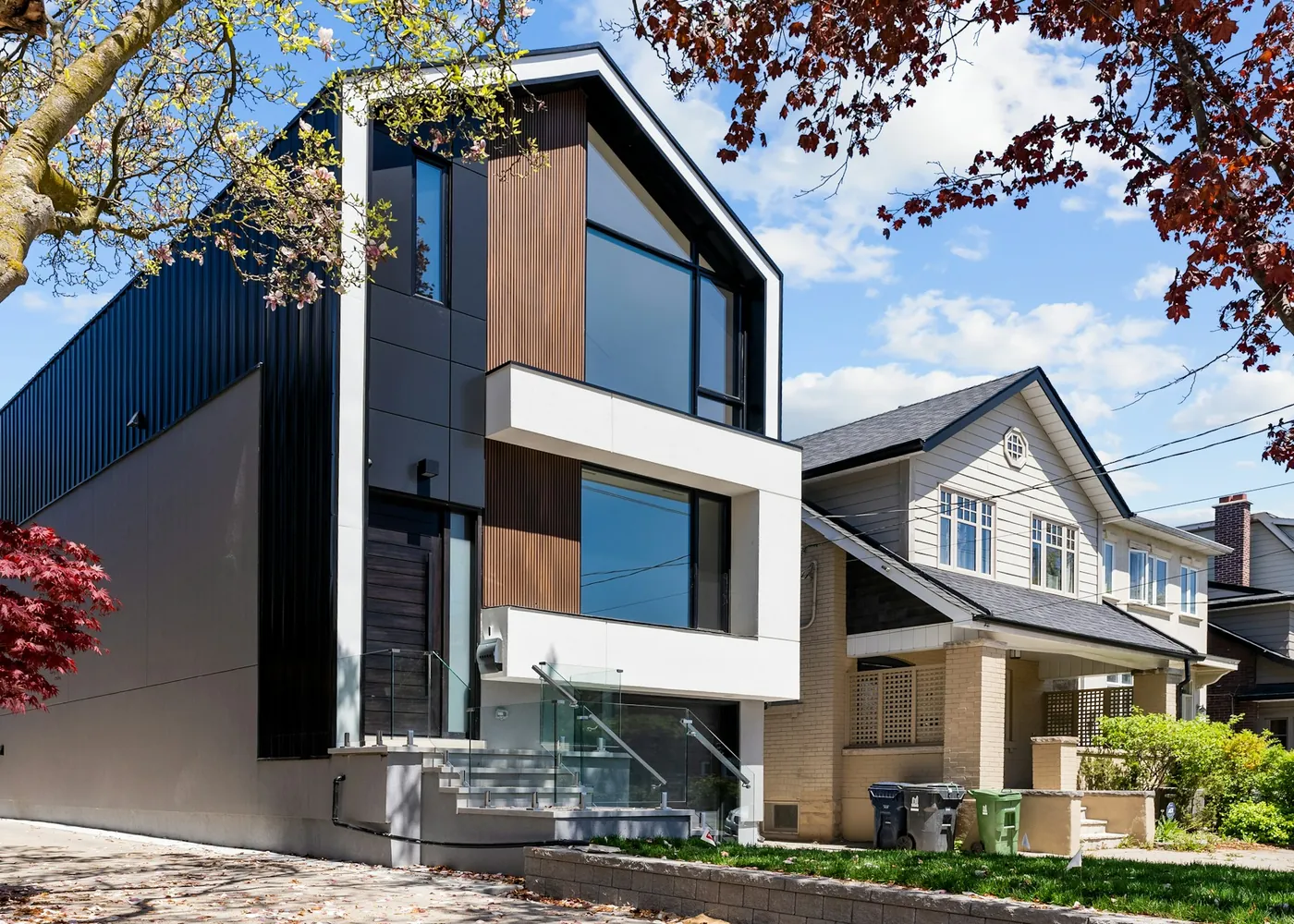
This guide in one minute
The key points of this guide as a short video. All details and worked examples are in the text below.
No narration, background music only.
Inhalt dieser Seite (13)
- Typical weak points by construction year
- The most important points to check
- Obligations for new owners under the GEG
- View with a surveyor
- Financing and subsidising the renovation
- Renovation costs at a glance
- Worked example: old house with renovation or new build?
- The right order for renovation
- Half-timbered and listed buildings: special features in Oberfranken
- Negotiating the price with defects
- An old-building check in twelve points
- When demolition is the better option
- Living through the renovation
Currently for sale: See 3 houses and buildings from €130,000
Key points at a glance
- Typical weak points of old buildings: damp in the cellar, roof, windows, electrics, water pipes and outdated heating systems.
- Every construction period has its own risks – e.g. asbestos in building materials from the 1960s to the 1980s.
- Under the Building Energy Act (GEG), new owners must meet certain obligations within two years (including insulating the top floor ceiling and lagging pipes).
- A building surveyor costs approx. €500–1,500 – and can protect you from expensive surprises.
- Renovation costs can be partly subsidised through KfW and BAFA; an individual renovation roadmap increases the grant.
Typical weak points by construction year
| Construction year | typical issues |
|---|---|
| before 1918 | timber beam ceilings (pests, damp), no waterproofing, single glazing, listed status possible |
| 1919 – 1948 | simple construction, little insulation, often already altered several times |
| 1949 – 1968 | economical post-war construction, thin walls, poor insulation, old electrics |
| 1969 – 1983 | asbestos (roof sheets, façades, floor coverings), flat roofs, thermal bridges |
| 1984 – 1995 | first thermal insulation regulations, heating and windows often at the end of their service life |
The most important points to check
Damp: a musty smell, efflorescence, flaking plaster or mildew stains in the cellar point to missing waterproofing. Retrofitting waterproofing can cost five-figure sums.
Roof: age of the roof covering, condition of the battens, insulation, gutters. Re-roofing a detached house including insulation easily costs €40,000 to €80,000.
Windows: single glazing or old double glazing, leaky frames. New windows for a detached house: roughly €15,000 to €35,000.
Heating: age, type and condition. Oil and gas boilers more than 30 years old must be replaced under certain conditions. When the heating is replaced, the requirements of the Building Energy Act (Gebäudeenergiegesetz, GEG) on renewable energy apply.
Electrics: two-core wiring without an earth conductor, no residual current devices (FI-Schalter), old fuse boxes. A complete rewiring costs roughly €15,000 to €30,000.
Water pipes: lead pipes (mainly before 1973) must be replaced; galvanised steel pipes corrode.
Pollutants: asbestos, tar-based adhesives, old wood preservatives. If in doubt, have them tested before you buy.
Obligations for new owners under the GEG
Anyone who buys a one- or two-family house in which the previous owner has not lived since February 2002 must, within two years of the transfer of ownership, among other things:
- insulate the top floor ceiling or the roof if they do not meet the minimum thermal protection,
- insulate uninsulated heating and hot water pipes in unheated rooms,
- decommission certain old oil and gas boilers (constant-temperature boilers older than 30 years).
Since 2024, an informational consultation on the energy performance certificate (Energieausweis) has also been required when buying a one- or two-family house. Have an energy consultant explain the obligations for your specific property – the law may change.
View with a surveyor
For older houses we strongly recommend a second viewing with a building surveyor (Bausachverständiger). They spot damage, estimate renovation costs and give you arguments for the price negotiation. The cost (approx. €500–1,500) is small in relation to the risk.
Financing and subsidising the renovation
KfW supports renovations with low-interest loans and repayment grants, while BAFA subsidises individual measures on the building envelope and building services; there is separate KfW funding for replacing the heating. An individual renovation roadmap (individueller Sanierungsfahrplan, iSFP) increases the funding rate for many individual measures. Important: applications must usually be submitted before the work begins. More in the guide Energy-efficient renovation.
Renovation costs at a glance
The following ranges apply to an average detached house with 130 to 150 m² of living space. They are a guide for your purchase decision – only quotes from tradespeople are binding.
| Measure | Cost range (approx.) | Funding available |
|---|---|---|
| Re-roof and insulate the roof | €40,000 – 80,000 | yes (BAFA/KfW) |
| Insulate the top floor ceiling | €3,000 – 8,000 | yes |
| Façade insulation | €30,000 – 60,000 | yes |
| Replace windows | €15,000 – 35,000 | yes |
| Replace heating (heat pump) | €25,000 – 45,000 | yes (KfW heating subsidy) |
| Completely renew electrics | €15,000 – 30,000 | no |
| Water and waste water pipes | €10,000 – 25,000 | no |
| Complete bathroom | €15,000 – 35,000 | only partly for age-appropriate conversion |
| External cellar waterproofing | €15,000 – 40,000 | no |
| Asbestos removal (e.g. façade panels) | €5,000 – 25,000 | no |
A complete renovation of a house from the 1960s or 1970s can therefore easily reach €150,000 to €250,000. That sounds like a lot – what matters is the comparison with the purchase price and with a new build.
Worked example: old house with renovation or new build?
A family is looking for a detached house in the district of Hof and compares two routes:
| Old house, built 1972 | New build on own plot | |
|---|---|---|
| Purchase price or plot | €185,000 | €60,000 |
| Purchase costs | €16,000 | €5,000 |
| Renovation or construction | €160,000 | €420,000 |
| Site development, utility connections, outdoor areas | – | €35,000 |
| less funding (grants) | – €25,000 | – |
| Total costs | €336,000 | €520,000 |
| Living space | 145 m² | 140 m² |
| Move-in | after approx. 6–9 months | after approx. 15–24 months |
In this example the old house is considerably cheaper – with the advantage of an established location and a large garden. In return, there are compromises on the floor plan. If you would like to build new, you will find background information under Buying a plot.
The right order for renovation
When renovating, do not start with what is visible, but with what is hard to change later:
- Roof and cellar – protection from water from above and below.
- Electrics and pipes – before walls are plastered and floors are laid.
- Building envelope – windows and insulation, so the new heating can be sized correctly.
- Heating – matched to the future heat demand; a heat pump only works efficiently in a sufficiently insulated house.
- Interior finishing – bathrooms, floors, walls.
An individual renovation roadmap puts exactly this order on paper and at the same time secures higher funding rates. See Funding programmes for property and Heating Act (GEG).
Half-timbered and listed buildings: special features in Oberfranken
In the old towns of Bamberg, Kronach, Forchheim or Kulmbach and in many villages there are half-timbered houses (Fachwerkhäuser) and listed buildings (Baudenkmäler). Special rules apply to them:
- Permit requirement: almost every change to a listed building – even inside – needs a permit under monument protection law from the local monument protection authority (Untere Denkmalschutzbehörde).
- No energy performance certificate required, but also no free choice of windows, insulation or roof covering.
- Tax advantages: renovation costs on rented listed buildings can be depreciated 100% over twelve years under § 7i EStG (9% a year for eight years, 7% a year for four years). Owner-occupiers can deduct 90% over ten years like special expenses under § 10f EStG. A certificate from the monument authority is required, which should be agreed before the work begins.
- Half-timbering needs specialists: the wrong insulation or sealing paints lead to moisture damage in the timber. Plan with tradespeople who have experience with historic building fabric.
Whether a house is on the list of monuments is shown in the Bavarian Monument Atlas (Bayerischer Denkmal-Atlas) of the State Office for Monument Protection.
Negotiating the price with defects
Defects are no reason to panic, but a basis for negotiation. Here is how to proceed:
- Have the surveyor record the defects in writing, with a rough cost estimate.
- Check whether the asking price already takes these defects into account – with realistically valued houses this is often the case.
- Negotiate on the part that is not priced in – objectively and with evidence.
- Record known defects in the purchase contract. This creates clarity for both sides.
Further points to check during the on-site appointment are contained in the Viewing checklist.
An old-building check in twelve points
A simple list helps with the first on-site assessment. Every point marked "unclear" or "poor" should be examined by the surveyor:
| Building element | good | unclear | poor |
|---|---|---|---|
| Roof covering and gutters | |||
| Insulation of the top floor ceiling | |||
| Façade, cracks, plinth | |||
| Windows and roller shutters | |||
| Cellar walls (damp, salts) | |||
| Heating system and chimney | |||
| Hot water supply | |||
| Electrical installation, fuse box | |||
| Water and waste water pipes | |||
| Bathrooms and kitchen | |||
| Suspected pollutants (asbestos, wood preservatives) | |||
| Outdoor areas, drainage, garage |
In addition to the building fabric, take a look at the documents: building permits, energy performance certificate, invoices for modernisation work. You will find the full list in the Viewing checklist.
When demolition is the better option
Not every old house is worth renovating. Demolition and a new build can make sense if:
- the renovation costs approach the cost of a new build,
- the floor plan still does not suit your needs even after renovation,
- load-bearing elements are badly damaged (foundations, timber beams with dry rot),
- the plot allows considerably larger development.
Costs are not the only factor in the decision. Demolition requires a permit, and for listed buildings it is usually ruled out. And a new build takes longer. An architect or energy consultant can compare both options. For buyers who want to build new from the outset, the land value is decisive – see Standard land values.
Living through the renovation
Many buyers only move in once the house has been fully renovated. That is more comfortable but more expensive, because rent and loan run at the same time. An alternative is renovating in stages: first the roof, heating and pipes, then move in, and later the bathrooms and interior finishing. Plan realistically – tradespeople in Oberfranken are often booked up months in advance, and unforeseen damage often only appears once the walls are opened.
Frequently asked questions
Which construction years are considered particularly problematic?
Houses from the 1960s and 1970s often have poor insulation, old electrics and possible pollutants such as asbestos. Houses from the 1950s were sometimes built economically. Very old houses from before 1918, on the other hand, often have solid fabric but damp issues. Every house must be assessed individually.
Can I buy an old house on a small budget and renovate it step by step?
Yes, many buyers in Oberfranken do just that. It is important to start with the measures that prevent consequential damage – roof and damp – and to meet the legal obligations within two years. A renovation roadmap helps with the order and secures funding.
How do I recognise asbestos in the house?
Usually not reliably with the naked eye. Suspicious items are grey corrugated sheets on roofs and garages, small-format façade panels, Floor-Flex floor tiles and night storage heaters from the 1960s to the 1980s. Certainty comes from a laboratory material sample, which usually costs less than €100 per sample. Asbestos may only be removed by licensed specialist firms.
How long do typical building elements last?
As a rough guide: roof covering 40–60 years, windows 30–40 years, boilers 20–30 years, electrical wiring 40–50 years, bathrooms 25–30 years. If an element is well beyond this, you should budget for its replacement.
Is an old house worthwhile despite the need for renovation?
Often yes – if the purchase price realistically reflects the renovation needs. In Oberfranken, houses in need of renovation are often so inexpensive that purchase and renovation together cost less than a comparable new build.
Who is liable for hidden defects?
With second-hand properties, liability for material defects is usually excluded in the purchase contract. However, the seller is liable for defects they knew about and fraudulently concealed. So ask specifically about known damage and have the answers recorded in the purchase contract.
Which renovation properties does FrankenImmo offer?
You will find an overview and tips under Renovation properties. We place many of these properties before they are advertised publicly.
Sources & further reading
- verbraucherzentrale.de – Verbraucherzentrale (consumer advice centre) – energy-efficient renovation
- bafa.de – BAFA – funding for individual measures
- kfw.de – KfW – subsidised loans for renovation
- gesetze-im-internet.de – § 47 GEG – retrofitting obligations on change of ownership
- blfd.bayern.de – Bavarian State Office for Monument Protection – list of monuments and permits
- gesetze-im-internet.de – § 7i EStG – enhanced depreciation for listed buildings
- baua.de – Federal Institute for Occupational Safety and Health – information on asbestos
Unsure about a term? Property glossary · FAQ
Matching listings
What is your property worth today?
A market-based valuation using real comparable sales from Upper Franconia – free, without obligation, usually within 48 hours.
- One personal contact for all of Upper Franconia
- Reply usually within 24 hours